Key Points for North American Heavy Equipment Buyers
Planetary gear reduction converts high-speed input into lower-speed, higher-torque output.
Planetary gearbox torque selection should consider operating load, shock loads, speed, efficiency, and duty cycle.
A planetary gearbox reducer should be evaluated by both mechanical capacity and operating conditions.
Introduction
Selecting a gearbox for heavy equipment is not simply a matter of choosing the highest torque rating available. The gearbox must match the machine’s input speed, required output torque, operating cycle, load characteristics, and available installation space. For replacement applications, the gear configuration and compatibility with the existing drivetrain are equally important.
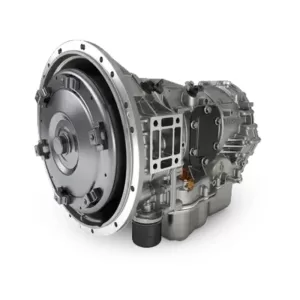
A planetary transmission is often considered when high torque density and compact packaging are required. According to the International Organization for Standardization , gear load-capacity calculations need to consider factors that influence different failure modes, including tooth-root breakage, pitting, and other forms of gear damage.
How Does Planetary Gear Reduction Affect Output Torque?
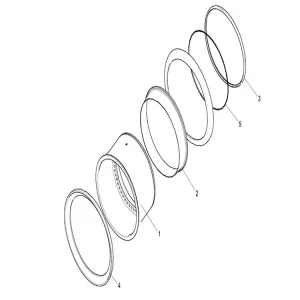
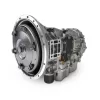
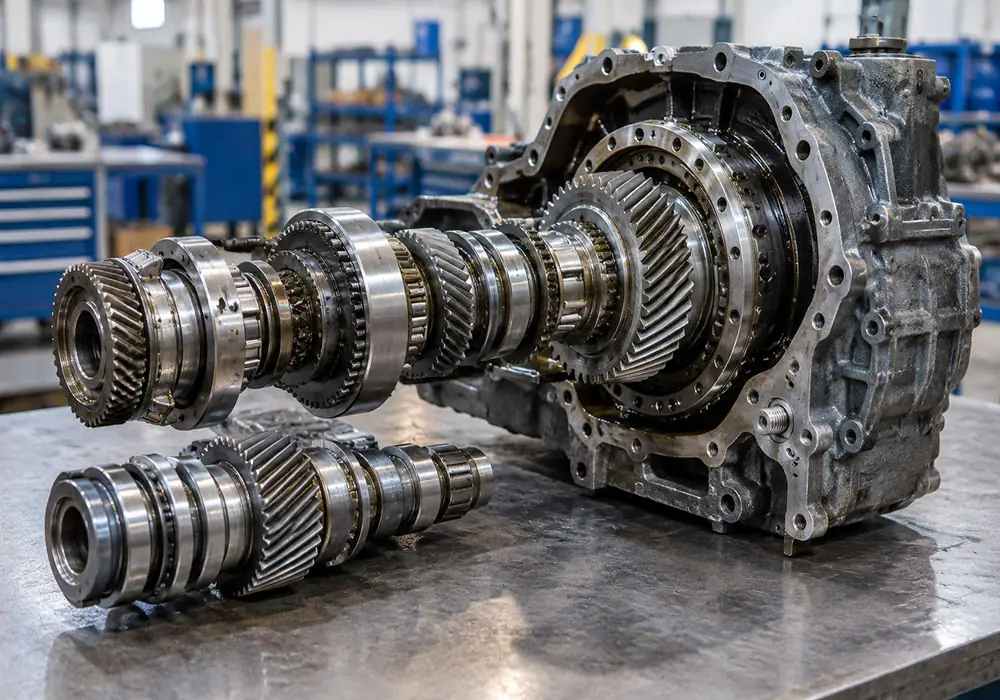
A planetary gearbox normally consists of a sun gear, planet gears, a planet carrier, and a ring gear. Depending on which member is used as the input, output, or fixed element, the gear set can provide different speed and torque relationships.
The main purpose of planetary gear reduction is to reduce rotational speed while increasing usable output torque. A simplified engineering relationship is:
Output Torque ≈ Input Torque × Reduction Ratio × Efficiency
For example, if a drive supplies 1,000 Nm of input torque through a 10:1 reduction with 95% efficiency, the theoretical output torque would be approximately 9,500 Nm.
The calculation is therefore useful for preliminary sizing rather than as a substitute for the manufacturer’s rated data.
Single-Stage vs. Multi-Stage Reduction
A single planetary stage generally provides a moderate reduction ratio. Multiple stages can provide substantially greater speed reduction while maintaining a compact transmission package.
| Configuration | Typical Purpose | Main Selection Consideration |
| Single stage | Moderate speed reduction | Efficiency and compactness |
| Two stages | Higher torque multiplication | Output torque and thermal capacity |
| Three or more stages | High reduction requirements | Speed, heat, size, and efficiency |
Adding stages is not automatically better. More reduction can increase torque multiplication, but the final selection still has to meet the machine’s required output speed and continuous operating conditions.
How Do You Calculate the Required Planetary Gearbox Torque?
Determining the planetary gearbox torque specification starts with the input torque, but data under average operating conditions cannot be the sole basis. The actual operation of heavy equipment is often accompanied by impact loads, frequent reversing, speed changes, and vibrations. A gearbox selected based on steady-state conditions, without taking peak loads into account, may not be able to handle the demands of actual use.
Step 1: Determine Input Torque and Speed
Obtain the motor or transmission’s rated torque and operating speed. If the available information is power and speed rather than torque, torque can be estimated using the appropriate power-speed relationship.
Step 2: Select the Required Reduction Ratio
Determine the required output speed based on the machine’s working function. The reduction ratio should be selected to achieve the required speed while providing sufficient torque multiplication.
Step 3: Consider Load and Service Conditions
The application should be classified according to how it operates. Continuous, relatively smooth loading is different from equipment that repeatedly starts, stops, reverses, or encounters impact loads.
Step 4: Check Thermal Capacity
Mechanical torque capacity does not tell the entire story. Continuous operation generates heat through gear meshing, bearings, seals, and lubricant friction. The gearbox must be able to dissipate that heat under the actual working cycle.
Step 5: Verify Shaft and Bearing Loads
Output torque should not be considered in isolation. Radial and axial loads transmitted through the output shaft can influence bearing life and the durability of the complete transmission.
This approach provides a more reliable basis for selecting a planetary gearbox reducer than comparing torque ratings alone.
What Should You Check When Selecting a Gearbox for Heavy Equipment?
Once the basic torque requirement is established, several mechanical and operating factors should be reviewed.
Reduction Ratio and Output Speed
The required ratio should correspond to the machine’s working speed. A higher ratio can increase output torque, but excessive reduction may result in an output speed that does not suit the machine.
Gear Material and Heat Treatment
Gear durability depends heavily on material quality and heat treatment. Case-hardening processes such as carburizing can provide a hard wear-resistant surface while retaining a tougher core. The final selection should consider tooth contact stress, bending loads, shock conditions, and expected service life.
Bearing and Shaft Loading
The gears are only one part of the transmission. Bearings support rotating components and must withstand the loads generated during operation. An output shaft exposed to excessive radial or axial forces can shorten bearing life even when the gear teeth themselves have sufficient nominal capacity.
Lubrication and Sealing
Correct lubrication helps control friction, wear, and operating temperature. Contamination can accelerate tooth wear and bearing damage, particularly in construction and mining environments where dust, moisture, and abrasive particles are common.
For equipment operating outdoors or in severe conditions, buyers should also verify seal condition, lubricant requirements, maintenance intervals, and protection against contamination.
How Should You Select Replacement Heavy Machinery Parts?
For an existing machine, selecting replacement heavy machinery parts requires a different approach from designing a new transmission.
The first step is to identify the original component accurately. The machine model, part number, component type, dimensions, tooth configuration, and mating components should be checked before an order is placed.
It looks similar doesn’t mean it can be used interchangeably.Two gears can have similar dimensions but different tooth profiles, materials, helix directions, modules, or mating requirements. Installing an incorrectly matched gear can result in abnormal noise, accelerated wear, poor meshing, or premature failure.
A practical replacement check should include:
- Original part number and machine model
- Gear type and tooth configuration
- Material and heat-treatment requirements
- Shaft or spline interface
- Mating gear compatibility
- Operating load and application conditions
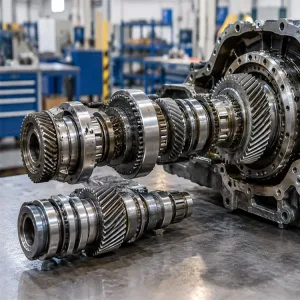
3328363 XCMG GR2605 Driven Helical Gear for Replacement Applications
For an existing XCMG GR2605 motor grader, the 3328363 XCMG GR2605 motor grader driven helical gear provides a specific replacement option for the machine’s transmission system.
The component is identified as a driven helical gear, also described as a cylindrical helical gear. Its listed material is 20CrMnTi/20CrNiMo alloy forged steel, with carburizing, quenching, and tempering treatment. The product specification lists precision gear grinding, a surface hardness of HRC 58–62, and a core hardness of HRC 30–40.
| Specification | 3328363 Driven Helical Gear |
| Model / Part No. | 3328363 |
| Application | XCMG GR2605 motor grader |
| Gear Type | Driven helical gear |
| Material | 20CrMnTi / 20CrNiMo alloy forged steel |
| Surface Hardness | HRC 58–62 |
| Core Hardness | HRC 30–40 |
| Accuracy | GB/T 10095.1 Grade 6/7 |
| Helix Angle | 15°–25° |
| Operating Temperature | -40°C to 120°C |
The helical design is intended for power transmission between parallel shafts. The component is designed for high-speed, heavy-load, frequent start-stop, and impact-vibration conditions. It can also be used in transmission-related applications involving construction machinery, including gearboxes, transfer cases, drive axles, and certain reducer or hydraulic transmission mechanisms.
There are some common failure conditions such as pitting, tooth breakage, scuffing, abnormal wear, and abnormal noise or vibration. These symptoms can have different causes, including poor lubrication, overload, misalignment, fatigue, contamination, or bearing problems. Replacing the gear without checking the related components may therefore leave the original failure cause unresolved.
For procurement, buyers should verify the 3328363 part number, GR2605 machine compatibility, gear configuration, and mating components before ordering.
FAQ
What is planetary gear reduction used for?
A: It reduces rotational speed while increasing available output torque. The exact torque increase depends on the reduction ratio and transmission efficiency.
How do I calculate planetary gearbox torque?
A: A basic estimate is input torque multiplied by reduction ratio and efficiency. Final selection should also account for peak loads, duty cycle, thermal limits, and shaft loading.
Is a higher reduction ratio always better?
A: No. A higher ratio increases torque multiplication but reduces output speed. The correct ratio must match the machine’s required speed, torque, and operating cycle.
What should I check before purchasing a replacement gear?
A: Verify the original part number, machine model, gear type, dimensions, tooth configuration, material, mating gear, and operating requirements. For heavy equipment, compatibility should be confirmed before installation.
Why can a gearbox fail even when its torque rating is sufficient?
A: Failure can result from shock loading, poor lubrication, contamination, excessive shaft loads, misalignment, overheating, bearing damage, or incorrect gear meshing. Torque rating is only one part of gearbox selection.
Conclusion
Choosing a gearbox isn’t just about the reduction ratio and torque. While planetary gear reducers excel at amplifying torque, their reliability depends on the actual load, gear strength, cooling conditions, installation method, and operating environment. The same applies to replacement parts; before ordering, carefully check the part number, gear configuration, compatible components, and application compatibility.
If you are sourcing transmission components for an XCMG GR2605 motor grader or need to confirm the suitability of a specific planetary gearbox reducer or gear component, contact us to discuss your requirements and verify the correct part before purchase.