What Is a Hydro-Pneumatic Suspension System?
A hydro-pneumatic suspension system combines hydraulic fluid and compressed gas to support a vehicle and absorb shocks. It is used on heavy-duty equipment where the suspension system needs to manage substantial loads and repeated impacts.
Unlike conventional mechanical spring systems, hydro-pneumatic suspension uses hydraulic cylinders together with a gas charge to provide both load support and damping. When the vehicle encounters an uneven haul road or receives a heavy impact, the suspension system allows controlled movement rather than transferring the full shock directly to the chassis.
For mining dump trucks, suspension performance is particularly important because these machines operate with heavy loads on demanding roads. The suspension system therefore forms an important part of the vehicle’s chassis and ride-control structure.
The Role of Hydraulic Oil and Nitrogen
The basic operating principle relies on the interaction between hydraulic oil and compressed nitrogen. When an external load acts on the suspension, hydraulic fluid moves within the suspension cylinder while the nitrogen provides a compressible medium.
This combination allows the suspension to respond to changes in load and road conditions. Hydraulic oil controls the movement, while the gas provides the compressibility needed for shock absorption.
The result is a suspension arrangement that can manage movement under heavy-duty operating conditions without relying solely on conventional mechanical springs.
How the Suspension Cylinder Absorbs Shock
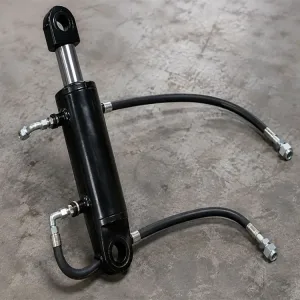
A suspension cylinder is a key component in a hydro-pneumatic suspension system. As the truck encounters an impact, the cylinder moves to accommodate the change in load and road surface.
The hydraulic and gas elements work together during this movement. Instead of allowing a sudden impact to pass directly into the truck structure, the suspension absorbs and controls part of the resulting force.
For heavy machinery, this controlled movement is important because repeated shock loads can affect the chassis and other connected components over time.
How Does Hydro-Pneumatic Suspension Work on a Mining Dump Truck?
Mining dump trucks frequently travel over uneven haul roads while carrying heavy loads. Their suspension system must therefore respond to changing loads and repeated impacts during normal operation.
A hydro-pneumatic suspension system provides this response through controlled cylinder movement. When the wheels encounter an uneven section of road, the suspension cylinder changes position as the hydraulic fluid and nitrogen respond to the applied force.
Load Support and Shock Absorption
The suspension system has two related functions: supporting the vehicle load and controlling movement caused by road conditions.
When the load or external force changes, the hydro-pneumatic elements respond accordingly. The compressed nitrogen provides a spring-like effect, while the hydraulic system helps control the movement of the suspension cylinder.
This arrangement is particularly suitable for heavy-duty applications where the suspension must work under substantial and changing loads.
Suspension Response on Rough Haul Roads
Uneven haul roads can create repeated impacts and vertical movement. A suspension system that can respond to these conditions helps control how those forces are transferred through the vehicle.
The suspension cylinder moves as the wheel assembly responds to the road surface. The hydraulic damping action helps keep this movement controlled rather than allowing abrupt movement through the chassis.
For mining operations, maintaining the condition of the suspension system is therefore an important part of heavy machinery maintenance.
Protecting the Truck Frame and Other Components
Suspension components do more than affect ride characteristics. By controlling the transfer of impact forces, they form part of the overall load-management system between the wheels and the truck frame.
A properly functioning suspension system can help reduce the direct transmission of severe road impacts into the chassis. This is especially relevant to large mining trucks that regularly operate under heavy-duty conditions.
What Are the Main Components of a Mining Truck Suspension System?
A hydro-pneumatic suspension system consists of several related hydraulic and mechanical components. Their specific arrangement depends on the machine design, but suspension cylinders are central to the system described here.
Suspension Cylinders
Suspension cylinders provide the physical movement required for the suspension system to respond to changes in load and road conditions.
Their condition directly affects the suspension’s ability to perform its intended function. Damage, leakage, or other cylinder problems can affect suspension performance and should be addressed as part of routine maintenance.
Hydraulic System Parts
Hydraulic system parts are also important because hydraulic fluid movement is central to the operation of the suspension. The hydraulic side of the system must maintain controlled movement within the cylinder.
For maintenance teams, understanding the relationship between the suspension cylinder and its hydraulic components can make it easier to identify the appropriate replacement component when service is required.
Seals and Other Replacement Components
Sealing components help retain hydraulic fluid within the cylinder. If seals become damaged, leakage may occur and the cylinder may no longer operate as intended.
Depending on the condition of the component, maintenance may involve individual sealing components, hydraulic cylinders seal kits, or a complete replacement cylinder. The appropriate solution depends on the actual condition of the suspension component and the replacement requirements.
330100023 Suspension Assembly for XCMG XDE130
The 330100023 Suspension Assembly is the primary ride-control and shock-absorption master group designed for the XCMG XDE130 Electric Driving Dump Truck.
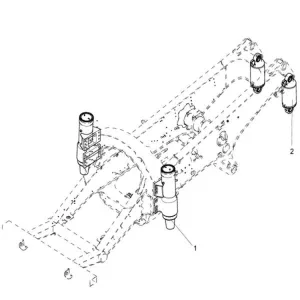
This assembly belongs to the chassis hydraulics and hydro-pneumatic suspension system. It maps the primary front and rear suspension cylinders used by the machine and can be supplied as a complete master group or through its individual front and rear suspension cylinders.
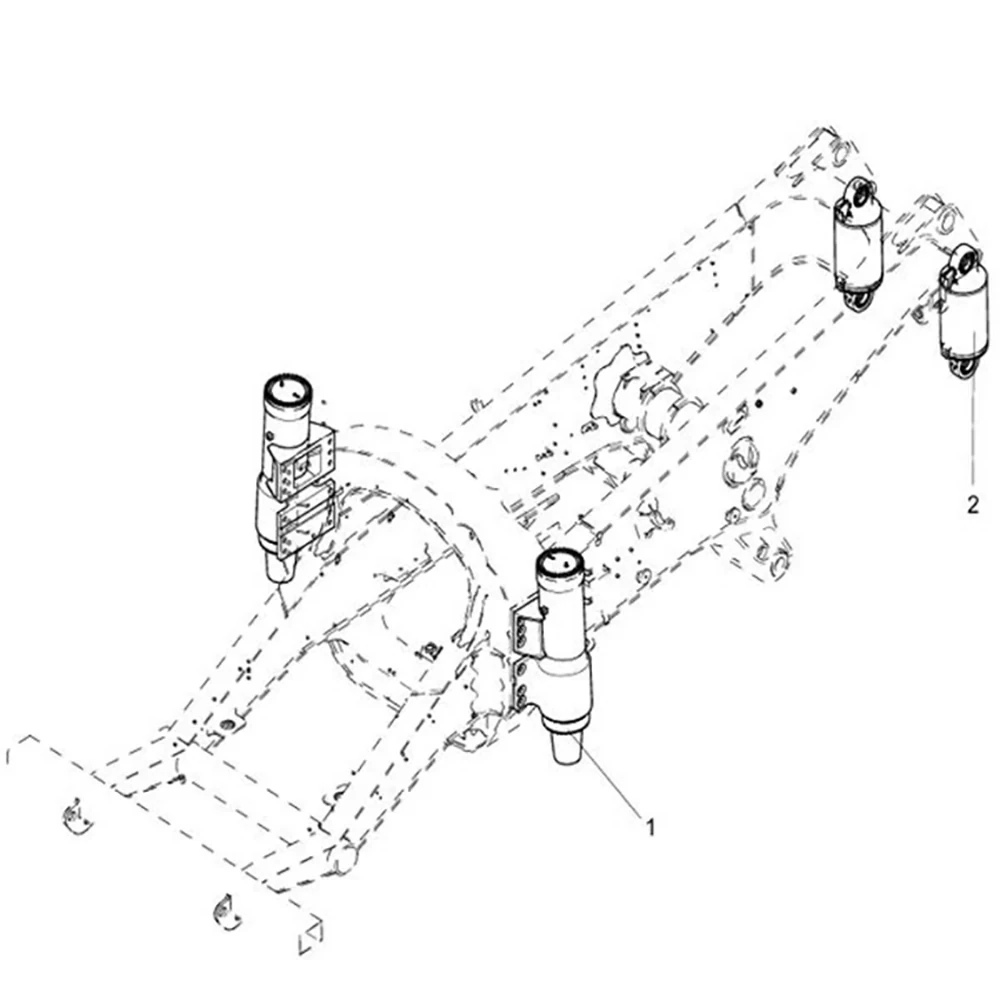
The assembly includes:
| Part Number | Description | Qty. |
| 330106918 | Front Suspension Cylinder | 2 |
| 330100807 | Rear Suspension Cylinder | 2 |
The 330106918 Front Suspension Cylinders and 330100807 Rear Suspension Cylinders form the primary physical suspension components listed under the 330100023 master assembly.
For customers carrying out targeted maintenance, the front and rear cylinders can be specified individually. For broader chassis overhaul requirements, the complete 330100023 master group can also be requested.
The product is available in genuine XCMG OEM and high-quality aftermarket options, providing different sourcing options for customers handling replacement or overhaul requirements.
When ordering, customers should clearly identify whether they require the front cylinders 330106918, the rear cylinders 330100807, or the complete 330100023 Suspension Assembly.
It is also recommended to provide the XCMG XDE130 VIN or machine serial number when requesting a quotation. Cylinder stroke lengths, mounting pin diameters, and nitrogen charge port configurations can vary depending on the production year and specific payload rating. Machine identification therefore helps confirm the required fitment.
For global orders, the suspension cylinders are supplied with heavy-duty shipping arrangements. Custom wooden crating, specialized flat-racks, and sea-freight handling protocols are available for these large and heavy assemblies.
What Should You Consider When Replacing a Suspension Cylinder?
Replacing a suspension cylinder requires more than matching a general component type. The correct part number and machine application should be confirmed before an order is placed.
Confirming the Part Number and Machine Model
Start by confirming the machine model and the required component. For the XCMG XDE130, the supplied suspension assembly information identifies 330106918 as the front suspension cylinder and 330100807 as the rear suspension cylinder.
The master assembly number is 330100023.
Checking Cylinder Specifications and Fitment
Part number confirmation should be combined with machine identification. Providing the XDE130 VIN or serial number allows the supplier to check the required configuration.
This step is particularly useful when replacing large hydraulic components because incorrect fitment can create unnecessary delays during maintenance.
Choosing Suitable Replacement Parts
The choice between individual cylinders, repair-related components, and a complete assembly depends on the maintenance requirement.
For customers sourcing heavy machinery parts, confirming the exact machine, part number, quantity, and destination before requesting a quotation can make the purchasing process more efficient.
Conclusion
A hydro-pneumatic suspension system uses hydraulic fluid and compressed nitrogen to support heavy equipment loads and control suspension movement. On mining dump trucks, this system helps manage impacts from uneven haul roads while controlling how forces are transferred through the chassis.
For the XCMG XDE130 Electric Driving Dump Truck, the 330100023 Suspension Assembly identifies the primary suspension group, including 330106918 Front Suspension Cylinders and 330100807 Rear Suspension Cylinders.
When replacing suspension components, confirming the machine model, part number, quantity, and fitment information is essential. For XDE130 suspension requirements, customers can specify the complete 330100023 assembly or the required front and rear suspension cylinders for quotation.
For 330100023 Suspension Assembly, 330106918 Front Suspension Cylinders, or 330100807 Rear Suspension Cylinders, contact our team with your required quantities and XCMG XDE130 machine information to request a detailed quotation.