Key Takeaways
Hydraulic leakage in motor graders can result from hose wear, damaged fittings, poor routing, abnormal system conditions, or seal deterioration.
A reliable diagnosis should pinpoint the exact leakage point before a component is replaced.
Hydraulic pumps, valves, hoses, and cylinders work as an interconnected system, so recurring leakage should be investigated at the system level.
Regular inspection, correct hose routing, suitable component selection, and planned replacement can reduce the risk of unexpected hydraulic failure.
What Causes Hydraulic Leakage in Motor Graders?
A grader’s operational flexibility is largely determined by its hydraulic system, which supplies the power needed for steering, blade control, and all auxiliary functions. Comprising pumps, valves, hoses, fittings, and cylinders, the system is vulnerable to performance degradation—and even a single faulty component can lead to oil leakage and compromise overall machine availability.
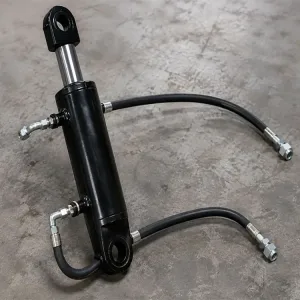
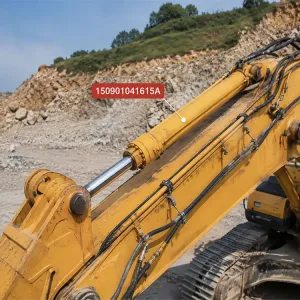
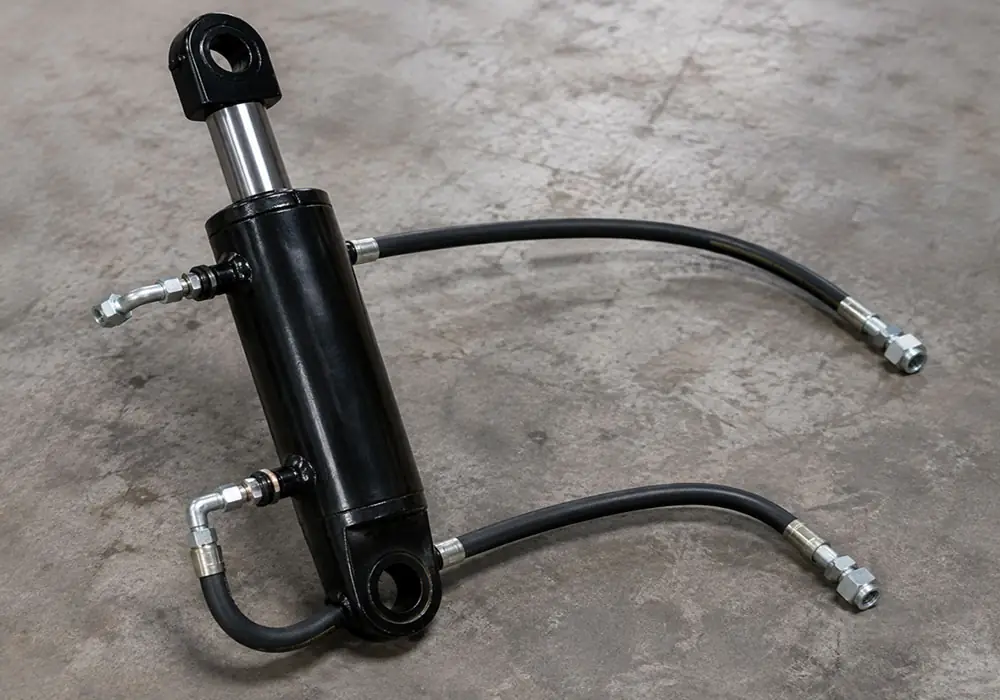
A cylinder gasket leak is one possible source of hydraulic fluid loss, but it should not be confused with a hose leak. Leakage around a cylinder may involve its sealing area, rod seal, or connection, while leakage along a hose may originate from the hose body or its fittings. Identifying the location first helps maintenance personnel avoid replacing the wrong component.
Common Causes of Hose Leakage
Hose assemblies can deteriorate because of repeated flexing, abrasion, excessive bending, heat, external impact, or aging. Fittings and connections may also develop leaks when they become loose, damaged, or improperly installed.
Why Leakage Should Not Be Treated as an Isolated Problem
A visible oil leak does not necessarily indicate where the underlying problem lies. If a recently replaced hose leaks again, maintenance teams should inspect adjacent connections, valves, pumps, cylinders, and the hydraulic circuit as a whole. The hydraulic system in heavy equipment functions as an integrated unit and must not be treated in isolation. Diagnosing the root cause before replacing any components is essential—not only to avoid recurring failures but also to reduce unnecessary downtime and repeat maintenance work.
How to Diagnose Hydraulic Leakage Step by Step?
The first objective of a systematic inspection is to determine exactly where the fluid is escaping and whether the surrounding system shows other abnormal conditions.
Step 1: Locate the Leakage Point
Start with the hose body, hose ends, fittings, threaded joints, clamped connections, and nearby hydraulic components. OSHA inspection guidance specifically identifies flexible hoses, hose-to-fitting junctions, threaded or clamped joints, and hose outer surfaces as areas that should be checked for leaks, deformation, and excessive abrasion.
If oil is found around a fitting, the hose itself may not be the only component requiring attention. The connection, sealing element, or installation condition should also be examined.
Step 2: Inspect the Hose for Visible Damage
Look for cracking, cuts, bulging, flattening, twisting, abrasion, or deterioration of the outer cover. Shut down and replace hose assemblies showing conditions such as damaged covers, exposed reinforcement, cracked or badly damaged fittings, leaks, kinking, crushing, or twisting.
Do not rely on visual inspection alone when a system has experienced repeated failures. The operating environment and installation method should also be reviewed.
Step 3: Check the Hydraulic System
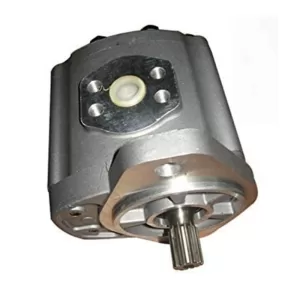
A hydraulic gear pump should be considered when leakage occurs together with unusual pressure, heating, vibration, or changes in machine performance. OSHA recommends checking hydraulic pumps and motors for unusual noise or vibration, low operating speed, excessive fluid heating, low pressure, loose fasteners, and leaks around shaft seals or pump-section joints.
Step 4: Inspect Cylinders and Connected Components
Hydraulic cylinders should be checked when leakage appears around actuator connections or when the machine shows abnormal movement. OSHA guidance includes cylinder drift caused by fluid leakage across the piston, rod-seal leakage, damaged rods, and loose or deformed connecting joints among inspection points.
Step 5: Decide Between Repair and Replacement
Once the leakage source has been identified, determine whether the component can remain in service or should be replaced.A hose assembly that has suffered significant physical damage or leakage should generally not be temporarily repaired.
How Do Hydraulic Gear Pumps and Other Components Affect Hose Reliability?
Hydraulic systems depend on the coordinated operation of several components. The pump provides hydraulic flow, valves control the direction and distribution of fluid, hose assemblies transfer fluid between components, and cylinders or other actuators convert hydraulic energy into mechanical movement.
A hydraulic pump components inspection can therefore be relevant when hose leakage occurs alongside abnormal hydraulic performance. Pump-related conditions may influence system pressure, temperature, and flow.
Understanding the Hydraulic Flow Path
A simplified hydraulic circuit can be understood as:
Pump → Control Valve → Hose Assembly → Actuator → Return Circuit
Each part has a different function, but a problem in one area can affect the operating conditions of another. For example, abnormal pump performance may be accompanied by changes in system pressure or temperature, while poor hose routing can create mechanical stress even when the pump operates normally.
| Component | Main Function | Inspection Focus |
| Hydraulic pump | Generates hydraulic flow | Noise, vibration, heating, performance |
| Hose assembly | Transfers hydraulic fluid | Leakage, abrasion, routing, fittings |
| Control valve | Directs and regulates flow | Leakage, sticking, response |
| Hydraulic cylinder | Converts fluid energy into movement | Seals, rod, connections |
How Can Hydraulic Leakage Be Prevented on Motor Graders?
Leak prevention should never be reactive—waiting for a leak to appear before taking action is too late. The first line of defense lies in routine inspections, standardized installation procedures, and disciplined component selection. A proactive maintenance strategy should prioritize early detection of warning signs, rather than responding only after significant leakage has occurred.
Maintain Regular Hose and Fitting Inspections
Operators and maintenance teams should periodically inspect hose covers, fittings, joints, routing, and nearby components. Particular attention should be given to areas exposed to movement, vibration, abrasion, heat, or external impact.
Control Hydraulic Fluid and System Cleanliness
Hydraulic fluid quality affects pumps, valves, cylinders, and other components. Contamination can contribute to component wear and system problems, while unsuitable fluid can affect seals and hose materials.
For this reason, maintenance teams should follow the equipment manufacturer’s fluid and filtration requirements.
Replace Failed Hose Assemblies Properly
A failed hose should not simply be patched and returned to service.Replacement should only be carried out after the system pressure has been safely reduced to zero, and after heeding warnings that pressurized hydraulic fluid can cause serious injury.
Planned replacement also gives fleet operators more control over spare parts inventory and repair schedules.
803268221 Hose Assembly for XCMG GR2605: What Should Buyers Know?
When the inspection confirms that a hose assembly requires replacement, accurate part identification becomes the next priority. CNFORCE lists 803268221 as a hose, pipe, or fluid connector component for the XCMG GR2605 motor grader.It is a hose/fitting component and states that genuine OEM and replacement options are available.
Product Specifications
| Item | Specification |
| Part Number | 803268221 |
| Brand / Manufacturer | XCMG |
| Applicable Model | GR2605 motor grader |
| Equipment Type | Motor Grader |
| Component Type | Hose / Fitting Component |
| Supply Options | Genuine OEM and replacement |
| Ordering | Individual and bulk inquiries |
The main value of this product for B2B buyers is its clear part-number and machine-model identification. Instead of selecting a generic hose based only on appearance, buyers can use the established part number when requesting fitment verification and a quotation.
CNFORCE recommends confirming the part number against the parts catalogue or existing component. The supplier also asks buyers to provide the machine model and serial number for fitment verification.
Main Application and Purchasing Considerations
The product is intended for the XCMG GR2605 motor grader and is relevant to maintenance and replacement requirements involving the machine’s hose or fluid-connection system.
For fleet operators, repair workshops, and spare parts distributors, the product can be considered when an existing component has been identified as requiring replacement. CNFORCE also states that bulk pricing is available for workshop replenishment and fleet maintenance stock orders.
What Information Should Buyers Provide?
A B2B inquiry should include:
- Part number: 803268221
- Machine model: XCMG GR2605
- Machine serial number
- Required quantity
- OEM or replacement preference
FAQ
Q1: What are the common causes of hydraulic hose leakage?
A: Common causes include abrasion, cracking, damaged fittings, loose connections, unsuitable routing, excessive heat, and general deterioration. OSHA recommends checking hose junctions, joints, outer coverings, and surfaces for leaks, deformation, and abrasion.
Q2: What is the difference between a cylinder gasket leak and a hose leak?
A: A cylinder gasket leak generally involves leakage around a cylinder sealing area, while a hose leak may occur through the hose body, fitting, or connection. The exact leakage location should be identified before selecting a replacement component.
Q3: How can hose leakage be prevented during installation?
A: Correct routing, suitable pressure and temperature ratings, compatible fittings, and proper installation are important.
Q4: How do I order 803268221 for an XCMG GR2605?
A: Provide the part number, XCMG GR2605 model, machine serial number, required quantity, and whether genuine OEM or replacement supply is preferred. CNFORCE recommends confirming the part number against the parts catalogue or existing component before ordering.
Conclusion
Hydraulic leakage in a motor grader should be approached as a maintenance and system-diagnosis issue rather than simply a hose replacement task. Inspecting the leakage point, checking connected components, reviewing hose routing, and confirming operating conditions can help identify the underlying problem and reduce repeat failures.
For maintenance teams working with the XCMG GR2605, accurate part identification is particularly important when a hose assembly needs replacement. 803268221 provides a specific part-number reference for procurement, while the machine model and serial number can be used to support fitment verification.
If you are sourcing 803268221 for an XCMG GR2605 motor grader, contact us with your part number, machine model, serial number, and required quantity for fitment confirmation, availability, and a quotation.