Key Takeaways
An excavator radiator is part of a larger thermal-management system that also includes coolant, water pumps, thermostats, fans, oil coolers, and airflow-control components.
Selecting the right cooling component requires more than matching machine tonnage. Buyers should verify the excavator model, serial number, part number, dimensions, mounting points, and surrounding component layout.
For mining and construction applications, dust protection, airflow management, vibration resistance, weather resistance, and maintenance accessibility are important purchasing considerations.
A capable heavy machinery parts supplier should be able to support part-number verification, application matching, technical confirmation, and international spare-parts logistics.
Introduction
Keeping an excavator within its intended operating temperature is essential for reliable production. The cooling system removes heat generated by the engine and helps protect components from thermal stress during continuous heavy-duty work. As the primary heat exchanger in this system, the radiator works together with the water pump, thermostat, fan, and other cooling components to transfer engine heat away and maintain stable operating temperatures.Availability of spare parts is seldom an issue. The real challenge lies in sourcing parts that can be installed without problems, function properly, and remain compatible with the cooling system—a persistent pain point for teams and suppliers alike.
What Does an Excavator Radiator Do?
An excavator radiator is a heat exchanger that transfers heat from engine coolant to surrounding air. In a typical system, coolant absorbs heat from the engine, circulates through the cooling circuit, and releases that heat through the radiator core. The fan and shroud help control airflow across the core.
The radiator is only one part of this process. Caterpillar describes heavy-equipment cooling systems as combinations of components such as radiators, water pumps, coolant, and thermostats that work together to regulate engine temperature. This system-level view is important when diagnosing overheating or selecting replacement parts.
For procurement teams, the definition of engine cooling parts should therefore be broader than the radiator itself. Depending on machine configuration, it can include radiator assemblies, coolant hoses, water pumps, thermostats, oil coolers, charge-air coolers, fans, shrouds, protective covers, and related fittings.
Why Cooling Performance Matters
A working cooling system helps maintain stable engine temperature under changing loads. A blocked core, damaged fin area, restricted airflow path, coolant-flow problem, or poorly fitted protective component can reduce cooling performance.
Cummins notes that mineral deposits, particulate matter, scale, oxidation, or oil contamination can impair a radiator cooling system and recommends cleaning or flushing when excessive contamination is present.
How Cooling Components Work as a System
A cooling system is most effective when coolant circulation and airflow are properly coordinated. The water pump moves coolant through the engine and radiator, while the thermostat helps regulate coolant temperature. The fan generates airflow, and the shroud helps direct that airflow through the intended cooling surfaces.
Other heat exchangers may operate nearby. Hydraulic oil coolers remove heat from hydraulic fluid, while charge-air coolers can reduce intake-air temperature. Caterpillar product information similarly distinguishes radiator and hydraulic-oil-cooler functions while showing that these components can be packaged together on excavators.
This is why replacing only one component does not always solve an overheating problem. If the radiator is clean but airflow is leaking around the cooling package, or if the water pump and thermostat are not functioning correctly, overall thermal performance can still be affected.
Maintenance and Inspection Priorities
For fleet maintenance teams, routine inspection can often identify cooling-system problems before they become major failures. Areas worth checking include:
- Radiator and cooler surfaces for dust, mud, oil, or debris.
- Fan, shroud, hoses, and mounting structures for damage or abnormal movement.
- Coolant condition and level according to the equipment manufacturer’s maintenance requirements.
Engine configuration cannot be overlooked when choosing emission control equipment. The EPA’s Tier 4 standards set specific requirements for non‑road diesel machinery, including excavators. During part replacement, it’s important to exercise caution—relying on past experience with older engines is not a reliable guide to interchangeability. Compatibility should always be verified against the machine’s actual configuration.
How to Choose the Right Excavator Cooling Components
Selecting a replacement excavator engine component should begin with machine identification. Two excavators with similar operating weights can use different engine configurations, cooling layouts, mounting structures, or component specifications.
A practical sourcing process is:
Identify the machine: Record the manufacturer, model, production configuration, and serial number.
Confirm the part: Check the existing part number, nameplate information, drawings, or clear photographs.
Verify physical fit: Compare mounting holes, dimensions, inlet and outlet positions, clearance, and adjacent components.
Confirm operating requirements: Consider temperature, dust exposure, vibration, workload, and maintenance conditions.
Approve before bulk purchasing: For distributors or fleet operators, confirm a sample or technical drawing before placing a larger order.
| Buyer Check | Why It Matters |
| Machine and engine model | Establishes the basic application |
| OEM/part number | Helps identify the intended replacement |
| Mounting dimensions | Prevents installation problems |
| Airflow path | Determines whether cooling air reaches the core correctly |
| Operating environment | Guides dust, corrosion, and temperature protection |
| Maintenance access | Affects cleaning and inspection efficiency |
Material and construction also deserve attention. Aluminum radiator cores are common because of their heat-transfer characteristics and relatively low weight, while other designs may be selected according to application requirements.
Thermal capacity should also match the application. As an example of how manufacturers specify cooling equipment, a Caterpillar engine radiator core listed for several excavator applications has a stated heat rejection of 85 kW, with specified water and airflow values. This illustrates why cooling components should be evaluated against the actual machine specification.
Product Example: SANY SY485C1 Radiator Cover Assembly
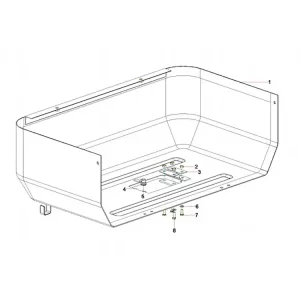
For buyers sourcing a replacement cooling-system component for the SANY SY485C1, the 13306069 SANY SY485C1 hydraulic excavator radiator cover assembly is a practical option to consider. This assembly is designed to protect the cooling package while helping maintain effective airflow around the radiator, intercooler, and hydraulic oil cooler.
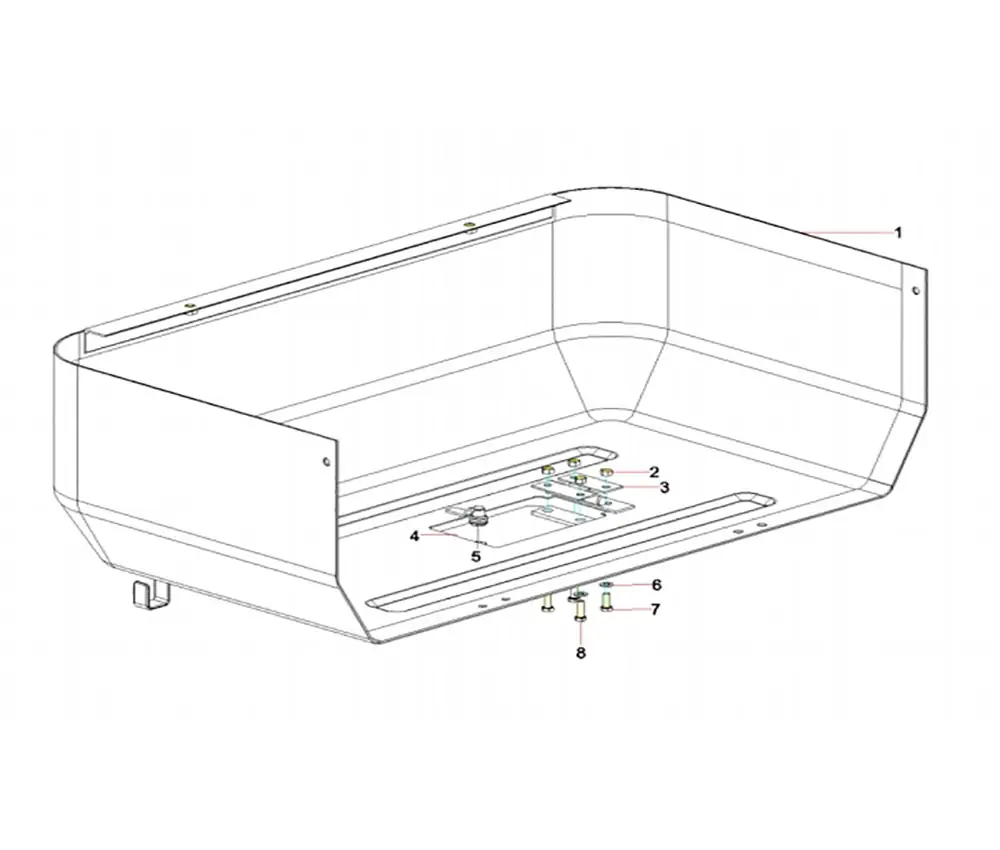
| Specification | Details |
| Part Model | 13306069 |
| Applicable Model | SANY SY485C1 Hydraulic Excavator |
| Main Materials | ABS engineering plastic, cold-rolled steel reinforcing ribs |
| Sealing | EPDM weather-resistant sealing strips |
| Dust Protection | Double-layer stainless-steel mesh |
| Main Functions | Airflow guidance, dust protection, cooling-core protection, maintenance access |
Its key features are dustproof design and airflow management.. Excavators operate in mining and earthmoving sites where dust is everywhere, and the quality of these two aspects directly affects equipment stability.The product uses double-layer stainless-steel mesh with a stated pore size of no more than 2 mm, together with EPDM sealing strips, to help limit contamination around the cooling components. Its streamlined airflow channel is designed to support the intended air path through the cooling package.
The assembly also combines ABS engineering plastic with cold-rolled steel reinforcing ribs for a balance of protection and structural support. According to the product information, it weighs no more than 8 kg and has an operating temperature range of -30°C to 85°C. UV/weather-resistant treatment and electrostatic spraying are also specified for outdoor working conditions.
For maintenance teams, the quick-release clip and bolt structure, together with dedicated maintenance openings and wiring channels, make routine inspection and cleaning more convenient.
What Should Buyers Expect from a Heavy Machinery Parts Supplier?
A reliable heavy machinery parts supplier should provide more than a product name and price. For B2B procurement, the supplier should help confirm whether the requested part corresponds to the machine configuration and provide practical information for ordering and delivery.
A useful supplier evaluation can focus on four areas: part-number accuracy, application matching, technical communication, and logistics support. For recurring purchases, buyers can also evaluate response speed, packaging practices, availability information, and the supplier’s ability to handle different brands or machine categories.
The lowest price isn’t always the most cost-effective. Choosing parts with the right technical specifications ensures they fit and last longer, resulting in lower total cost in the long run.
FAQ
Q1: How do I make sure a replacement radiator component fits my excavator?
A: Start with the machine model, serial number, existing part number, and engine information. Then confirm dimensions, mounting points, connection positions, and surrounding component clearance. For B2B orders, sample or drawing confirmation before bulk purchasing can further reduce fitment risk.
Q2: Is a radiator the only important cooling component?
A: No. The cooling system can include the radiator, water pump, thermostat, fan, shroud, coolant hoses, oil cooler, charge-air cooler, and protective or airflow-control components. The exact configuration depends on the machine and engine.
Q3: Why is dust protection important for mining excavators?
A: Dust and debris can accumulate around cooling cores and restrict airflow. A protective cover with appropriate mesh and sealing can help limit contamination while maintaining the intended airflow path. The 13306069 assembly, for example, is designed with double-layer stainless-steel dustproof mesh and sealing strips for the SANY SY485C1 application.
Q4: Can I use a cooling component from another excavator model if the dimensions look similar?
A: It is not recommended to rely on dimensions alone. Cooling-system components may differ in mounting, airflow direction, engine configuration, clearance, and connection layout. Confirming the machine and part number with the supplier is a safer approach.
Q5: What should I provide when requesting a quotation?
A: Provide the machine brand and model, serial number if available, part number, product photographs, required quantity, destination country, and any known operating conditions. This gives the supplier enough information to check compatibility and prepare a more accurate quotation.
Conclusion
A dependable cooling system is a combination of thermal performance, controlled airflow, component compatibility, and protection against the working environment. When purchasing cooling-related spare parts, fleet operators and distributors should therefore evaluate the complete application.
For buyers specifically maintaining a SANY SY485C1, this application-specific design can be more practical than selecting a generic cover based only on dimensions or appearance. Before ordering, buyers should confirm the machine model, part number, and available serial-number information to ensure the component matches the specific excavator configuration.
If you are sourcing 13306069 or other excavator cooling-system parts, contact us with your machine and part details for compatibility confirmation and a quotation.