Introduction
Excavator downtime is often caused by small hydraulic component problems that interrupt large-scale operations. In mining and heavy construction environments, a failed boom cylinder can reduce digging efficiency, affect lifting performance, and increase unexpected maintenance costs. As a core hydraulic actuator, the boom cylinder plays an essential role in converting hydraulic power into precise mechanical movement for stable excavator operation.
Selecting the right replacement component requires more than comparing prices or appearances. Buyers need to verify part numbers, equipment compatibility, installation details, and supplier reliability to avoid incorrect orders and unnecessary downtime.
What Is a Boom Cylinder and What Role Does It Play in an Excavator?
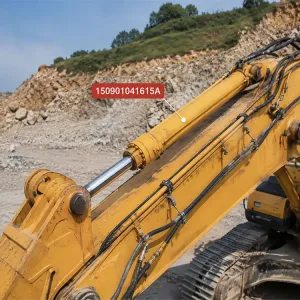
The boom cylinder is installed between the main structure and the boom assembly of the excavator and is a hydraulic actuator. Its main function is to achieve the extension and retraction of the boom through hydraulic control, enabling the boom to move up and down and maintaining stable position control during digging.
In simple terms, the hydraulic system transmits pressurized oil to the cylinder, which then converts hydraulic energy into linear mechanical motion. It is this process that allows the excavator to perform tasks such as heavy lifting, digging, loading, and material handling. The hydraulic cylinder is the key component that converts fluid power into linear motion and is widely used in various industrial equipment. Whether the selection is reasonable and maintenance is adequate directly affects the overall reliability of the hydraulic system.
Why Boom Cylinder Performance Directly Affects Excavator Productivity
In heavy-duty excavation environments, hydraulic cylinders experience repeated loading cycles. A properly matched component helps maintain stable boom movement and supports efficient machine operation.
If the boom cylinder specifications are incorrect or compatibility is poor, problems often follow one after another. Operators may encounter hydraulic leaks, and the movement efficiency drops significantly. More seriously, the equipment may suddenly shut down. For this reason, professional buyers normally verify component information before ordering from heavy equipment parts manufacturers.
For mining fleets, replacement decisions should consider not only price but also part accuracy, supplier experience, and after-sales support. These factors help reduce unnecessary maintenance interruptions and improve equipment availability.
Common Boom Cylinder Failures and Troubleshooting Guide
Even high-quality hydraulic components require proper maintenance. Understanding common failure symptoms helps operators identify problems earlier and reduce repair costs.
Hydraulic Oil Leakage Problems
Hydraulic oil leakage is one of the most common issues associated with excavator cylinders. Possible causes may include worn seals, damaged cylinder surfaces, loose connections, or long-term operating wear.
When leakage occurs, operators should inspect the cylinder area, hydraulic connections, and surrounding components. Continuing operation without inspection may affect hydraulic system efficiency.
Reduced Boom Lifting Force and Slow Hydraulic Response
A reduction in boom movement speed or lifting capability may indicate hydraulic system problems. Possible factors include hydraulic oil issues, system pressure problems, or cylinder-related conditions.
Before replacing components, maintenance teams should perform proper diagnosis instead of replacing parts based only on symptoms.
Piston Rod Damage and Cylinder Structural Problems
The piston rod is exposed to the external working environment and may encounter scratches, corrosion, or mechanical damage during operation. Damaged rod surfaces can affect sealing performance and may accelerate component wear.
For replacement orders, buyers should confirm whether they require the complete cylinder assembly or specific repair components according to maintenance requirements.
Preventive Maintenance Methods for Excavator Boom Cylinders
Recommended maintenance practices include:
· Regularly checking hydraulic oil leakage and cylinder appearance.
· Confirming hydraulic connections remain properly installed.
· Recording equipment operating conditions and maintenance history.
· Ordering replacement components using accurate part information.
These steps help improve maintenance efficiency and reduce the possibility of incorrect component selection.
OEM vs Aftermarket Boom Cylinder: Making the Right Replacement Decision
When replacing excavator hydraulic components, buyers often compare OEM parts and aftermarket alternatives. The right choice depends on equipment requirements, budget considerations, and supplier capability.
OEM Boom Cylinder Advantages and Limitations
OEM components are produced according to the original equipment manufacturer’s specifications. They are commonly selected by customers who prefer direct replacement solutions based on original equipment standards.
However, OEM parts may involve higher purchasing costs and longer supply chains depending on location and availability.
Professional Aftermarket Boom Cylinder Solutions
Professional aftermarket suppliers provide alternative replacement options for customers looking for cost-effective solutions. A reliable aftermarket supplier should provide clear product identification, compatibility information, and quality control procedures.
The comparison below provides a general reference:
| Comparison Item | OEM Boom Cylinder | Aftermarket Replacement Boom Cylinder |
| Compatibility | Based on original manufacturer specifications | Requires supplier verification |
| Price Level | Usually higher | Often more flexible |
| Availability | Depends on OEM supply chain | May provide additional sourcing options |
| Buyer Consideration | Original replacement preference | Cost and availability balance |
Sany SY1350C-1C3KH Boom Cylinder Overview and Product Specifications
Product Introduction: Sany SY1350C-1C3KH Excavator Boom Cylinder
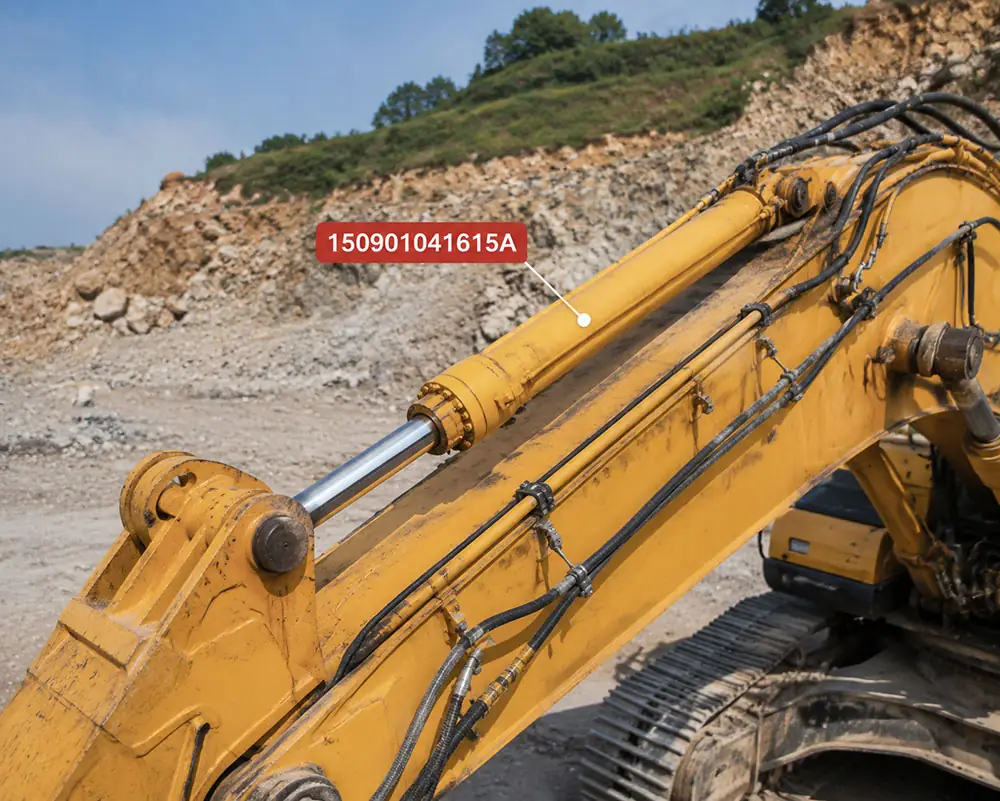
The 150901041615A Boom Cylinder is a hydraulic component specifically developed for the Sany SY1350C-1C3KH tracked hydraulic excavator. It is included in the mining excavator spare parts system, targeting customers who need genuine OEM parts or high-quality alternative solutions.
This product is suitable for the replacement needs of the Boom Cylinder during the maintenance and repair of excavators. Before placing an order, customers should verify whether the part number matches the SANY parts catalog by checking the markings on the existing cylinder. It should be noted that excavator cylinders are not equivalent to general hydraulic components; the selected cylinder must match the specific model, structural layout, and connection interfaces of the machine. This is why accurate specification identification is an important guarantee to avoid purchasing errors.
Key Specifications Buyers Should Confirm Before Replacement
When purchasing a replacement hydraulic component, buyers should verify several key details:
1. Part number verification
The part number is the most important reference for confirming compatibility. For this product, the identified part number is 150901041615A.
2. Machine serial number confirmation
Different production ranges may include component revisions. Providing the machine serial prefix helps suppliers confirm the correct application.
3. Connection and installation details
Hydraulic components require confirmation of port orientation, thread type, and flange pattern before shipment.
The following table summarizes the available product identification information:
| Item | Specification |
| Part Number | 150901041615A |
| Product Name | Boom Cylinder |
| Brand / Manufacturer | SANY |
| Applicable Model | SY1350C-1C3KH Tracked Hydraulic Excavator |
| Equipment Type | Hydraulic Excavator |
| Component Type | Hydraulic Cylinder |
| Product Category | SANY Mining Excavators Spare Parts |
Sany Excavator Boom Cylinder Design and Performance Analysis
Heavy-Duty Boom Cylinder Structure for Mining Excavators
Hydraulic components of mining excavators must repeatedly withstand load tests. The boom cylinder, together with other elements in the system, supports smooth digging actions and stable heavy-load handling. The articulated system of large equipment is deeply integrated with the overall structure, making component matching an inescapable issue. Replacement must align with the original factory design standards to ensure assembly accuracy and long-term stable operation of the equipment.
The 150901041615A model is categorized as a boom cylinder for the SANY SY1350C-1C3KH tracked hydraulic excavator. Buyers should use the correct part identification information when selecting replacement solutions.
Hydraulic Performance of Excavator Boom Cylinders
The hydraulic cylinder of an excavator achieves linear motion through controllable hydraulic drive. The condition of the hydraulic system, the integrity of seals, the level of installation accuracy, and on-site operating conditions all influence the actual performance of the cylinder. ISO has established specialized standards in the field of hydraulic fluid power, providing a unified basis for design and testing work.
For equipment owners, purchasing matching components from an experienced supplier can reduce installation deviations and make daily maintenance and repairs more convenient.
Piston Rod and Sealing System: Key Factors Affecting Service Life
The piston rod and sealing system are important parts of any hydraulic cylinder because they directly influence oil retention, movement stability, and operating reliability. During excavator operation, the boom cylinder repeatedly extends and retracts, meaning the sealing components must maintain proper performance under continuous working cycles.
For replacement buyers, checking the condition of the existing cylinder, including possible leakage points, rod damage, and connection wear, helps determine whether a complete cylinder replacement is required.
Professional suppliers can assist customers in confirming product compatibility through part numbers, machine information, and technical drawings. For international buyers purchasing components from heavy equipment parts manufacturers, this process is particularly crucial. Different models of machines often require specific replacement solutions, and any slight deviation can lead to installation issues or equipment failure. Therefore, accurate information verification is a necessary prerequisite to ensure the correct purchase.
Expert Insight: Why Mining Excavator Boom Cylinders Require Higher Durability
Mining excavators typically operate in harsh conditions, with heavy loads, prolonged operation, dust, vibration, and frequent hydraulic operations being commonplace. Compared to small-scale construction machinery, mining equipment places stricter demands on components. Once an unexpected failure occurs, it often means significant downtime losses. Therefore, component selection must be even more cautious.
The U.S. Bureau of Labor Statistics reports that the maintenance of heavy equipment requires regular inspections and upkeep to ensure its safe and efficient operation. A proper maintenance plan helps reduce downtime caused by equipment failures. Therefore, fleet operators no longer focus solely on purchase costs when selecting suppliers. Component compatibility, the supplier’s response speed, and whether spare part inventory is sufficient all become important factors influencing the decision.
FAQ
What Does a Boom Cylinder Do on an Excavator?
A: The boom cylinder is a hydraulic actuator whose function is to control the movement of the excavator’s boom. By converting hydraulic energy into mechanical motion, it provides the excavator with the ability to lift, dig, and handle materials.
How Do I Choose the Correct Hydraulic Cylinder for Excavator Replacement?
A: Buyers should confirm the part number, machine model, serial number, and connection details before ordering. For the 150901041615A boom cylinder, customers should verify compatibility with the SANY SY1350C-1C3KH tracked hydraulic excavator parts catalogue and provide complete equipment information when requesting a quotation.
What Are the Most Common Causes of Boom Cylinder Failure?
A: Common causes include hydraulic oil leakage, damaged sealing components, piston rod wear, improper maintenance, and long-term operating stress. Regular inspection and correct maintenance procedures can help identify issues earlier.
Why Choose Professional Heavy Equipment Parts Manufacturers?
A: Professional suppliers provide accurate part identification, replacement options, technical communication, and purchasing support. This helps international buyers reduce ordering mistakes and improve spare parts management efficiency.
Conclusion: Choosing the Right Boom Cylinder for Excavator Performance
When selecting boom cylinder replacement parts, focusing solely on the product name is insufficient. Accurate part numbers, machine serial numbers, and installation information are crucial for ensuring compatibility and preventing unplanned downtime. In the mining and heavy construction industries, timely availability of spare parts directly impacts equipment performance continuity and fleet maintenance efficiency.
CNFORCE Parts supplies the 150901041615A boom cylinder compatible with the SANY SY1350C-1C3KH Tracked Hydraulic Excavator. Both OEM and replacement options are available upon request. If you are looking for a heavy equipment parts manufacturer or require professional selection advice, please contact us immediately for a quote and inventory details.