Abstract
In mining operations, equipment uptime is critical. While operators often prioritize hydraulic systems or steering gear, the bucket tooth tip—one of the most heavily stressed heavy machinery parts and the first point of contact with rock—directly impacts productivity. The 819962820 tooth tip for the XCMG XE900D isn’t just a wear part; it’s engineered to maximize the excavator’s breakout force. This paper examines how it boosts efficiency in extreme conditions through its design, specs, and real-world performance.
Deep Dive: Knowledge & Fundamentals of Mining GET
Market Context
The global excavator bucket tooth market was valued at ~USD 1.2 billion in 2023, projected to reach ~USD 1.8 billion by 2032 (CAGR ~5.0%). This growth reflects rising demand for wear-resistant components like tooth tips, driven by expanding construction and mining activities worldwide. (Source: https://dataintelo.com/report/excavator-bucket-tooth-market)
What is a Mining Tooth Tip?
Definition & Structure
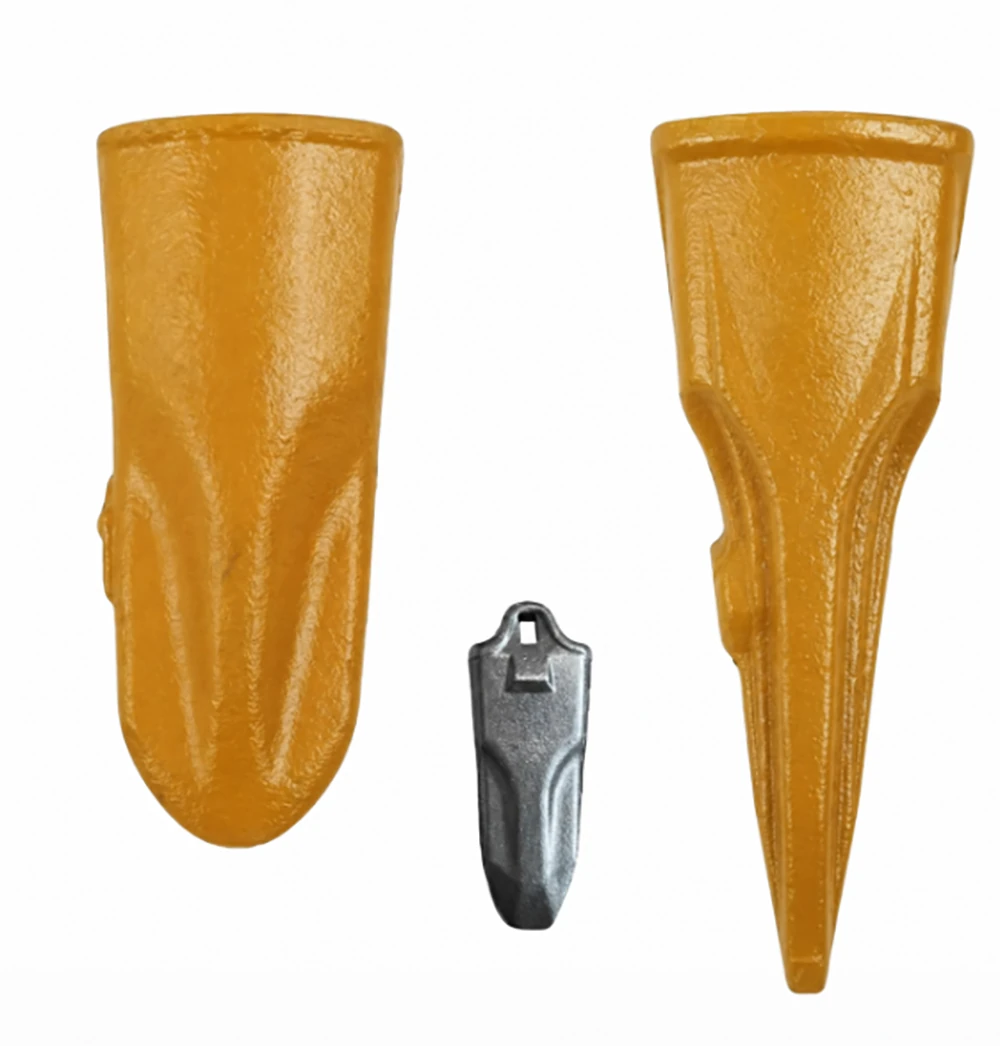
Replaceable bucket tips mounted at the front of excavator buckets, directly engaging rock/ore during digging and loading. They act as the first contact point, initiating material extraction.
Key Functions
Must penetrate F16-grade hard rock (e.g., granite) while protecting the bucket lip—a critical structural component—from wear. Damage to the lip risks costly repairs and shorter bucket lifespan.
Material Science
Specialized alloys prevent brittle fracture under high-impact strikes. Unlike generic parts, they resist snapping like glass, avoiding secondary damage to the bucket and operational delays.
The Synergy of Power and Penetration
- Chain Reaction of Excavator Performance: The performance of an excavator in mining operations is a well – coordinated chain reaction involving multiple components.
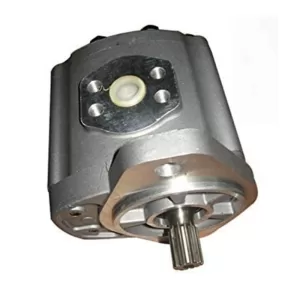
- Hydraulic Motor Parts: The hydraulic motor parts are the powerhouses of the excavator. They generate the necessary torque and flow of hydraulic fluid, which is the driving force behind all the machine’s movements. The torque determines the rotational force applied to the bucket and other moving parts, while the flow rate controls the speed of these movements.
- Structural Components: The structural components of the excavator, such as the boom, arm, and bucket frame, play a crucial role in guiding the movement of the bucket. They provide the necessary support and stability, ensuring that the force generated by the hydraulic system is transferred accurately to the tooth tip. These components are designed to withstand the immense loads and stresses encountered during mining operations, maintaining the structural integrity of the excavator.
- Tooth Tip: The tooth tip is the final link in this chain reaction. It concentrates all the energy generated by the hydraulic system and transferred through the structural components into a few square centimeters of rock surface. This concentration of force is essential for effective penetration and material extraction. If the tooth tip is dull or breaks, the entire system is affected. The lack of proper penetration puts additional stress on the hydraulic system, as it has to work harder to achieve the same results. This increased stress can lead to premature wear of the pump and cylinders, which are vital components of the hydraulic system, resulting in more frequent maintenance and higher operating costs.
Product Specifications: The 819962820 Advantage
Quantified Mechanical Performance
| Metric | Specification | Test Standard |
| Surface Hardness | HRC 63 – 66 | ISO 6507 – 1:2018 |
| Tensile Strength | ≥1250 MPa | ASTM E8/E8M – 21 |
| Impact Toughness | ≥48 J/cm² (-20°C) | Charpy V – Notch |
| Rock Penetration | F16 Grade Hard Rock | Field Tested |
| Installation Tolerance | ±0.06mm | CNC Precision |
- Surface Hardness: The surface hardness of the 819962820 tooth tip, measured at HRC 63 – 66, indicates its ability to resist wear and abrasion. In mining operations, the tooth tip constantly comes into contact with rough and abrasive rock surfaces. A high surface hardness ensures that the tooth tip can withstand this abrasive action for an extended period, reducing the rate of wear and extending its service life.
- Tensile Strength: With a tensile strength of ≥1250 MPa, the tooth tip can withstand high tensile forces without breaking. During the digging process, the tooth tip is subjected to both compressive and tensile forces as it penetrates the rock and pulls the broken material into the bucket. A high tensile strength ensures that the tooth tip can handle these forces without deforming or failing.
- Impact Toughness: The impact toughness of ≥48 J/cm² at – 20°C is a crucial specification, especially for mining operations in cold regions. In low – temperature environments, metals tend to become more brittle, increasing the risk of brittle fracture. The high impact toughness of the 819962820 tooth tip ensures that it can absorb high – impact forces even at extremely low temperatures, preventing sudden failure and ensuring reliable performance in cold mining conditions.
- Rock Penetration: Field – tested to penetrate F16 grade hard rock, this specification demonstrates the tooth tip’s ability to handle the most challenging mining materials. F16 grade rock is extremely hard and requires a tooth tip with high – strength and sharp – cutting capabilities to break through effectively. The 819962820 tooth tip’s ability to penetrate such hard rock makes it suitable for a wide range of mining applications.
- Installation Tolerance: The installation tolerance of ±0.06mm, achieved through CNC precision manufacturing, ensures a perfect fit between the tooth tip and the bucket. A precise fit reduces the risk of loosening during operation, which can lead to premature wear and damage to both the tooth tip and the bucket. It also ensures that the force is evenly distributed across the tooth tip, maximizing its performance and lifespan.
Environmental Adaptability
- Temperature Range: The 819962820 Tooth tip is designed for operation in a wide temperature range from-45 °C to 125 °C. Under the extremely cold conditions of -45 °C, the retention rate of impact toughness is still more than or equal to 88. Compared with the inferior heavy equipment parts produced by some competitors, this is a significant advantage, and the products of these parts may appear “glass-like” fragmentation at such low temperatures. The ability to maintain high impact toughness in a cold environment ensures that the tooth tip can continue to work reliably without the risk of sudden failure due to brittleness.
- Corrosion Resistance: The construction parts has excellent corrosion resistance, which can be seen from its performance in the neutral salt spray test (ISO 9227). In this test, the tooth tip does not rust for more than 1800 hours. This makes it very suitable for an underground mine with high humidity. In an underground mining environment, the existence of moisture and various chemicals can accelerate the corrosion process and lead to damage to metal parts. The high corrosion resistance of the 819962820 tooth tip ensures its long-term durability and reliable performance in such harsh conditions.
Core Technologies: Why It Outlasts the Competition
1. Diamond Carbide & High – Chrome Alloy
- Material Composition: The 819962820 tooth tip utilizes a material with a 19 – 23% Chromium base mixed with 0.3 – 0.5% Rare Earth elements. This unique combination forms the structure of “dispersed carbide” in metal. In this structure, the carbide particles are very small, and the size is ≤ 4 μm.
- Performance Advantages: The dispersed carbide structure provides the best balance between extremely high hardness and the flexibility required to absorb high impact forces. The high chromium content contributes to the hardness of the material and makes it resistant to wear and tear. The rare earth elements as modifiers can improve the distribution of carbide particles and the overall mechanical properties of the material. The small size of the carbide particles ensures that they are uniformly distributed throughout the metal matrix, providing uniform hardness and toughness. This enables the tooth tip to withstand impacts up to 850 kN without breaking, and at the same time, it can maintain its sharpness so as to effectively penetrate the rock surface.
2. Electromagnetic Deep Cryogenic Treatment
- Treatment Process: Different from the standard heat treatment methods adopted by many heavy equipment parts manufacturers, the tooth tip of 819962820 has undergone electromagnetic cryogenic treatment. This process involves coupling electromagnetic fields and extremely low temperatures of-196°C.
- Benefits: Electromagnetic cryogenic treatment leads to several significant improvements in the performance of the tooth tip. The wear resistance of the tooth tip is increased by 35.75%, which means that it can withstand longer wear without obvious wear. In addition, the martensite content in the metal reaches 93% or more. Martensite is a hard and brittle phase in steel, providing high strength and hardness. The high martensite content of 819962820 tooth tip contributes to its ability to resist deformation and fracture under high stress conditions, thus improving its overall durability and service life.
3. Laser Cladding Technology
- Coating Application: 1.8-2.2 mm Ni-Al coating was applied to the working surface of the 819962820 tooth tip by laser cladding technology. Laser cladding is a precise and advanced surface modification technology that can deposit a thin layer of material on the surface of the base metal.
- Performance Enhancement: The nickel-aluminum-based coating acts as a sacrificial layer. During the initial stages of operation, the stratum remains sharp, thus reducing the excavation resistance when the tooth tip penetrates the rock. By reducing excavation resistance, the load on the hydraulic motor components will also be reduced. This not only improves the overall efficiency of the excavator but also prolongs the service life of the hydraulic system components, reducing the need for frequent maintenance and replacement. With the gradual wear of the sacrificial layer, the underlying high-performance material of the tooth tips continues to provide reliable performance.
Application Scenarios & Industry Impact
- Open – pit Coal Mining (47% of usage): In open – pit coal mining operations, the earthmoving equipment parts demonstrate excellent performance in resisting coal dust abrasion and the impacts encountered during rock stripping. Coal dust is highly abrasive and can quickly wear down conventional tooth tips. The high – hardness and wear – resistant properties of the 819962820 tooth tip ensure that it can withstand the abrasive action of coal dust, while its ability to penetrate hard rock during the stripping process improves the overall efficiency of the mining operation.
- Metallic Mines (36% of usage): The tooth tip is particularly well – suited for copper and iron mines, where the ore is highly abrasive. The abrasive nature of the metallic ore requires a tooth tip with high – strength and wear – resistant properties to ensure long – lasting performance. The 819962820 tooth tip’s ability to handle such abrasive materials makes it a preferred choice in these mining applications, reducing the frequency of tooth tip replacements and improving the overall productivity of the mine.
Safety Advantages
- Certifications: The 819962820 tooth tip has obtained MA (Coal Mine Safety) certification and Exd (ib) IMb explosion – proof ratings. These certifications are essential for ensuring the safety of mining operations in volatile environments, such as underground coal mines.
- Safety Advantages: In underground mines, the presence of flammable gases and dust poses a significant safety risk. The explosion – proof ratings of the tooth tip ensure that it does not generate sparks or ignite the surrounding flammable substances during operation. The MA certification further guarantees that the tooth tip meets the strict safety standards required for use in coal mines, providing peace of mind to mining operators and ensuring the safety of the workers.
Case Study: Efficiency in Action
Background: In an Inner Mongolia iron mine, 15 XE900D units were initially equipped with standard manganese teeth. The mining conditions in this iron mine were extremely challenging, with hard and abrasive ore.
Performance Comparison:
- Old System: The standard manganese teeth lasted only 800 hours of operation. Additionally, the mine experienced 75 hours of downtime per month due to tooth tip failures and related maintenance issues. This high downtime significantly affected the overall productivity of the mine and increased the operating costs.
- New System: After switching to the 819962820 tooth tip, the teeth lasted for 2100 hours of operation, more than doubling the service life compared to the standard manganese teeth. More importantly, the downtime was reduced by 90%, from 75 hours per month to a much lower level.
Cost Savings: As a result of the improved performance and reduced downtime, the mine saved $210,000 annually in maintenance and earthmoving equipment parts costs. The reduced system vibration caused by the more effective tooth tips also contributed to the overall cost savings by extending the lifespan of other excavator components.
FAQ
Q 1: The tooth tip becomes loose after being installed on the XCMG XE900D excavator. What are the possible causes and solutions?
A: ① Check if the XCMG XE900D-specific locking pin is installed correctly; if it is missing or not fully locked, reinstall it and ensure it is securely seated. ② Inspect the fit clearance between the tooth adapter and the tooth tip; if the gap exceeds 0.12 mm, replace the adapter with an original XCMG XE900D adapter. ③ Check the operating speed of the XCMG XE900D excavator; for hard rock conditions, a recommended operating speed of 2.2–3.8 km/h is advised to prevent loosening caused by high-speed impact. ④ Check if the positioning slot on the tooth tip is worn; if wear is severe, replace the tooth tip.
Q 2: The tooth tip experiences excessive wear during hard rock operations with the XCMG XE900D excavator. How should this be addressed?
A: ① Verify the hardness of the excavated material; if it exceeds Grade F16, switch to a higher-grade, wear-resistant tooth tip or adopt a layered excavation method. ② Check if the laser-cladding coating has peeled off; if so, re-apply the coating. ③ Adjust the operating angle of the XCMG XE900D excavator to prevent excessive stress concentration on a single area of the tooth tip. ④ Select the XCMG XE900D-exclusive tooth tip (Part No. 819962820), which features an electromagnetic deep-cryogenic treatment process that significantly enhances wear resistance and is ideally suited for hard rock conditions.
Q 3: In low-temperature environments, the tooth tip on the XCMG XE900D excavator is prone to brittle fracture. How can this be prevented?
A: ① Select the XCMG XE900D-exclusive low-temperature-adapted tooth tip (Part No. 819962820), in which both the material and the housing have undergone electromagnetic deep-cryogenic modification treatment. ② Before commencing operations, allow the XCMG XE900D excavator to warm up for 15–20 minutes under no-load conditions to raise the temperature of the tooth tip and prevent thermal shock from extreme cold. ③ Avoid prolonged operation in extreme low-temperature environments (below -45°C); if necessary, install an insulating cover over the tooth tip. ④ Regularly inspect the tooth tip housing; if any cracks are detected, replace the tip immediately to prevent brittle fracture failure.
Q 4: How do I determine when the tooth tip on the XCMG XE900D excavator needs to be replaced?
A: ① The wear on the tooth tip exceeds one-third (1/3) of its original size, or the tip angle has become blunted by 6° or more, thereby compromising the digging efficiency of the XCMG XE900D excavator; ② The tip exhibits obvious chipping, notches, or cracks, posing a risk of fracture; ③ The digging efficiency of the XCMG XE900D excavator has declined by 20% or more, or the bucket exhibits shaking or abnormal power output; ④ The fit between the tooth tip and the adapter (tooth base) has become loose and cannot be securely fastened. If any of these conditions are met, the tooth tip must be replaced immediately to prevent damage to the XCMG XE900D excavator bucket.
Q 5: Is this tooth tip exclusively compatible with the XCMG XE900D excavator? Can it be used with other models, too?
A: It is mainly designed for exclusive compatibility with the XCMG XE900D mining excavator. Additionally, it is compatible with other excavators in the same series, such as the XCMG XE890D and XE950D. The interface dimensions are universal across the adapters (tooth bases) of this XCMG series, allowing for direct replacement. At present, it is not compatible with other excavators of the XCMG series or other brands, such as Sany, Caterpillar or Komatsu. For specific questions about compatibility, please provide the details of your equipment model for your verification.
Conclusion
In a word, the tooth tip of 819962820 XCMG XE900D represents a great progress in mining technology. Its excellent mechanical properties, environmental adaptability and innovative core technologies make it an efficient and reliable tool for mining operations in extreme conditions. By exceeding the industry standard tip in service life, failure rate, installation time and low temperature performance, the earthmoving equipment parts provides an economical and efficient solution for mining operators, which can improve productivity, reduce downtime and improve overall operating efficiency.