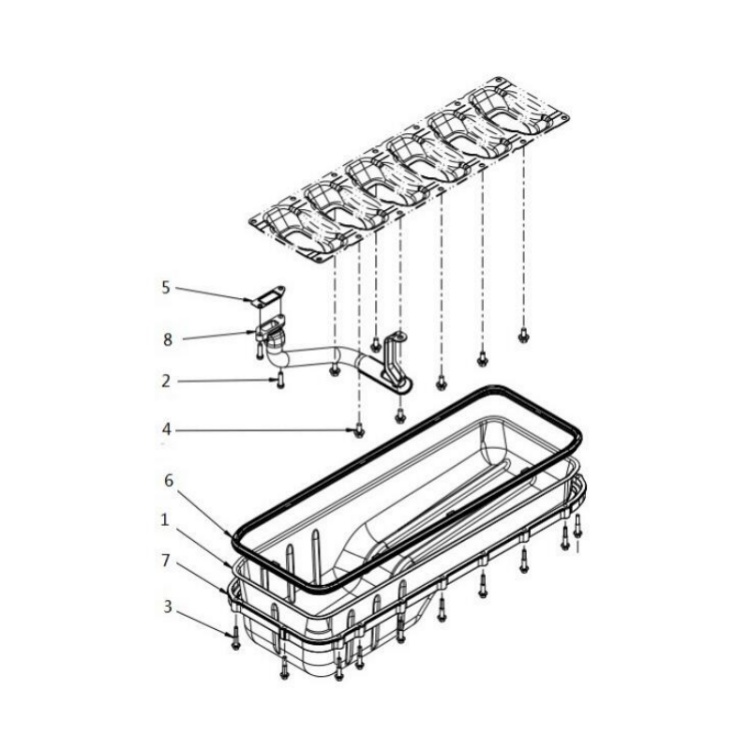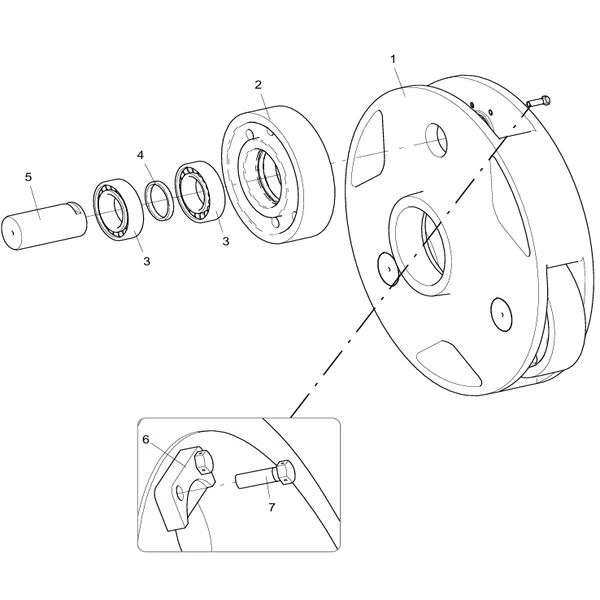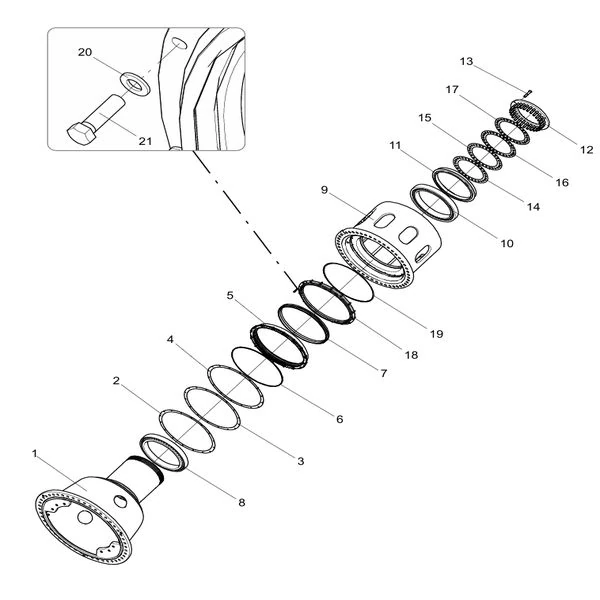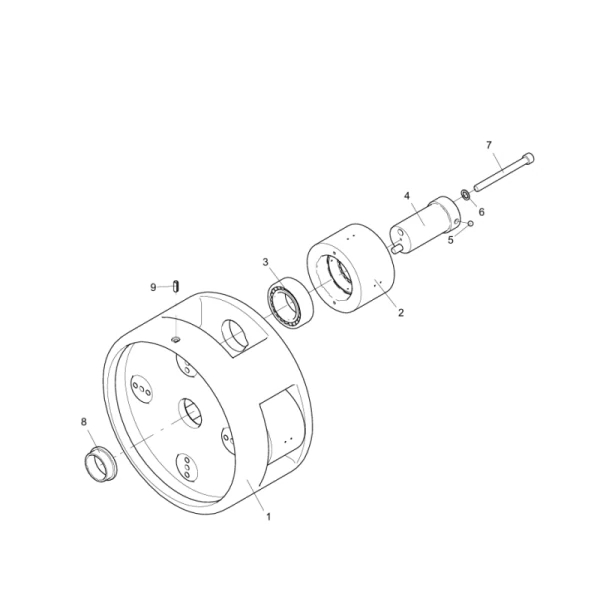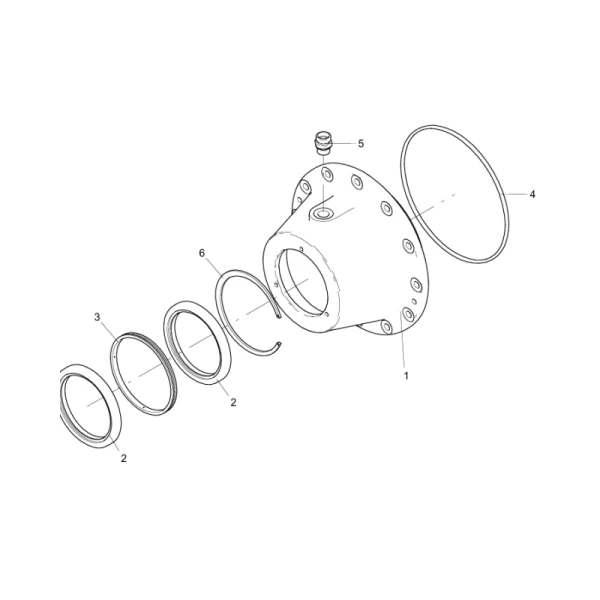

1. Clean: Thoroughly clean the surface of the fixing plate, the flange surface of the oil pan and the mounting surface of the cylinder block from oil, iron chips and rust, keep them dry and clean, and avoid impurities affecting the installation flatness
2. Inspect: The new fixing plate has no deformation, rust or cracks, the bolt holes are precise and fully matched with the oil pan and cylinder block holes; check that the surface coating of the fixing plate is not peeling off
3. Install: Fit the fixing plate smoothly on the flange surface of the oil pan, align with the holes, first insert the positioning bolts to fix, then install the remaining bolts in turn to avoid deformation of the fixing plate due to misalignment
4. Torque: Tighten the bolts crosswise in 2~3 steps to 30~40N·m, ensure the fixing plate is evenly stressed, closely attached to the oil pan and cylinder block, and there is no loose gap
5. Re-inspect: After installation, check that the fixing plate has no warpage and the bolts are not loose; start the engine to idle and observe no abnormal vibration or leakage
6. Maintenance: Check the state of the fixing plate during each engine oil change or maintenance, replace it in time if rust, deformation or cracks are found; tighten the bolts regularly, clean the surface oil and rust, and protect the anti-corrosion coating