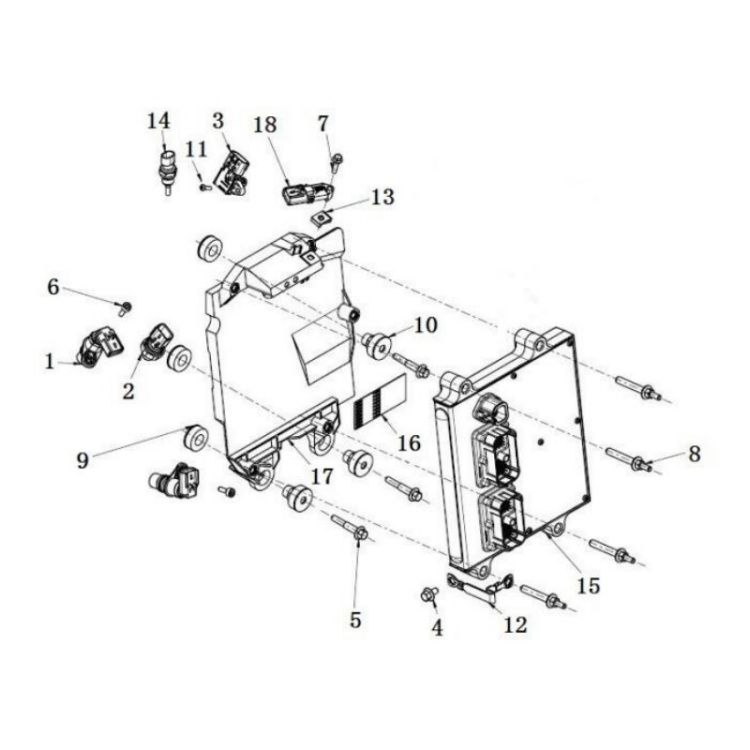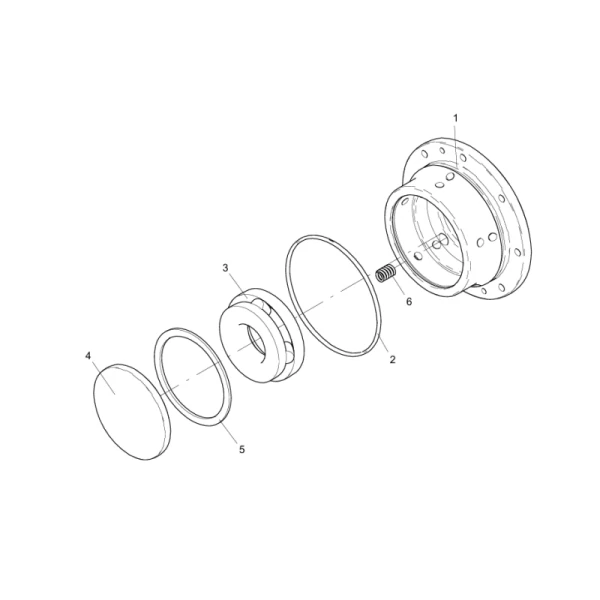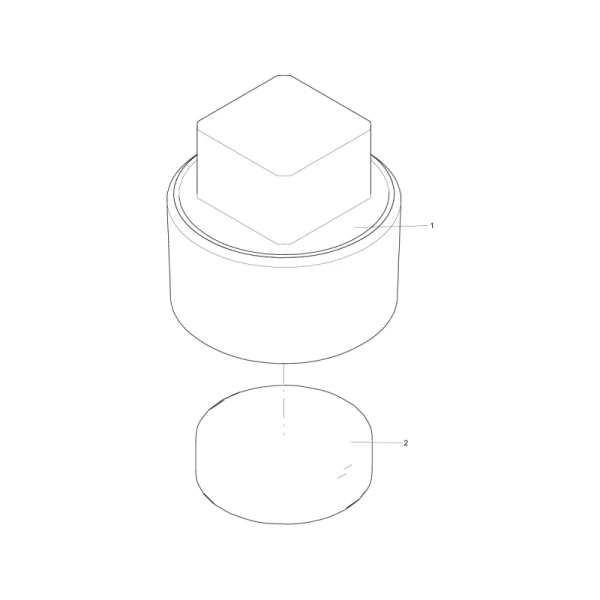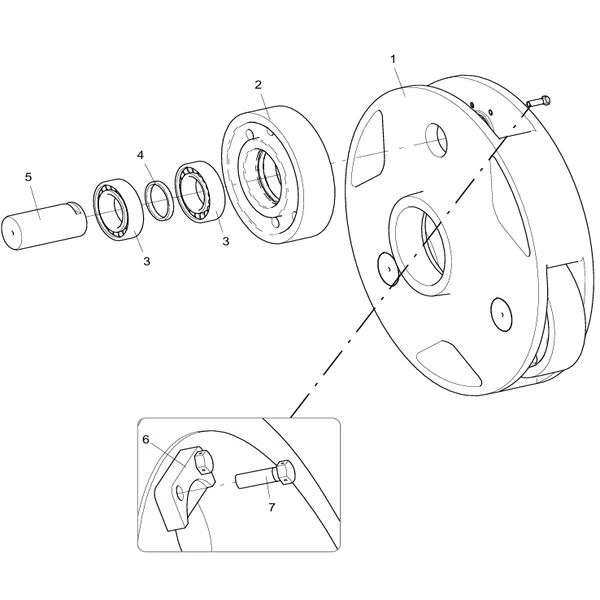
1. Clean: Thoroughly clean the surface of the mounting bracket and the camshaft signal plate from oil, iron chips and dust to ensure the mounting surface is flat and clean; clean the surface of the sensor probe to avoid signal detection interference caused by impurity blocking.
2. Inspect: The new sensor has no damage or cracks, the pins are not bent or oxidized, and the plug is in good contact; check that the signal plate has no wear, deformation or tooth surface damage, and the installation gap meets the standard; verify that the sensor model matches the engine model.
3. Install: Align with the mounting hole, smoothly screw in the fixing bolt to avoid sensor damage due to excessive force; adjust the gap between the probe and the signal plate to ensure no collision or excessive gap, and firmly insert the plug into the wiring harness interface without looseness.
4. Torque: Tighten the fixing bolt to 12~18N·m in 2 steps to ensure the sensor is firmly installed without looseness or shaking, avoiding gap deviation or sensor damage caused by engine vibration.
5. Re-inspect: Start the engine, check for no fault codes, stable idle speed, and no jitter during acceleration; use a diagnostic instrument to detect the sensor output signal to ensure the signal is stable and uninterrupted, and confirm that the fuel injection timing is normal.
6. Maintenance: During each engine maintenance, check the contact condition of the sensor plug and the tightness of the fixing bolt; clean the probe and signal plate impurities to avoid signal interference; if the sensor signal is abnormal, the engine has insufficient power or difficulty starting, replace the C2872277 genuine part in time.