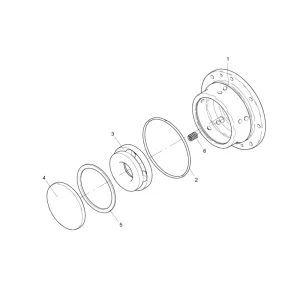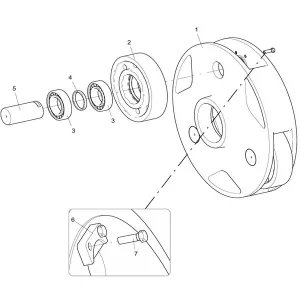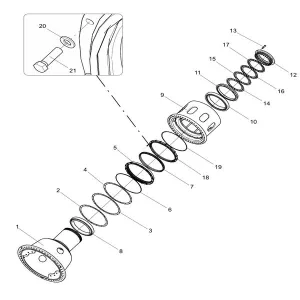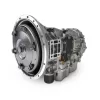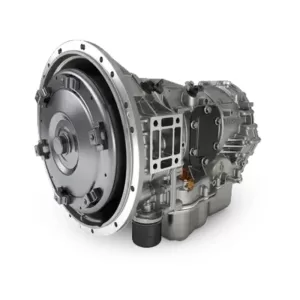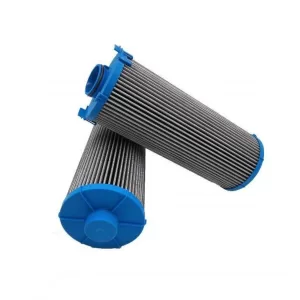
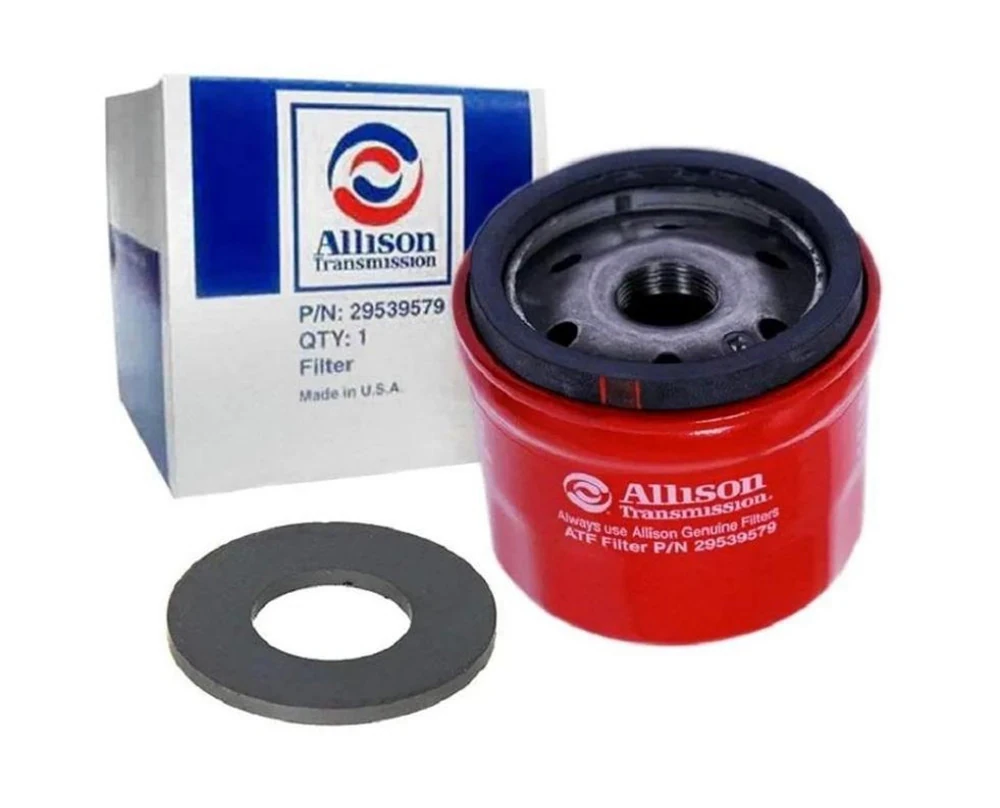
The 29539579 Allison transmission filter stands out as top construction parts, aiming at meeting the strict requirements of commercial vehicles, construction machinery and special-purpose vehicles. In this article, we will explore the unique advantages, specifications, and primary applications of this filter.
What is the Allison transmission filter?
The 29539579 Allison gearbox filter is a key component, which ensures the cleanliness of the transmission oil by removing metal chips, colloidal impurities and other particles that can lead to the wear of clutch and valve bodies and other precision parts.
Unique advantages of the 29539579 Allison transmission filter
1.Excellent filtration Efficiency
According to ISO 4572 standard test, the filtration accuracy of this filter for particles of 2 pm and above is ≥ 99.5%. This high level of filtration ensures that even the smallest pollutants can be captured, thus protecting your gearbox from early wear and tear.(Source:https://www.Allisontransmission.com/)
2.High Dirt-Holding Capacity
With a dirt-holding capacity of ≥ 18 g (ISO 16889 standard), the 29539579 filter outperforms industry-standard filters by 20% -50%. This means that over time, the number of filter changes is less and the maintenance costs is lower.
3.Low Pressure Loss
Even under the rated oil flow rate of 60 l/min, the pressure loss is ≤ 0.15 MPa, which is 25% lower than the industry average level. This ensures adequate oil supply to the transmission, preventing supply shortages due to excessive filtration resistance.
Specification of product
| Specification | Value |
| Filtering Accuracy | ≥ 99.5% (2 μm or above, ISO 4572) |
| Dirt-Holding Capacity | ≥ 18 g (ISO 16889) |
| Temperature Range | -30℃ to 135℃ |
| Max. Working Pressure | 1.2 MPa |
| Burst Pressure | ≥ 3.0 MPa |
| Flow | 60 l/min (when pressure loss ≤ 0.15 MPa) |
Main purpose
1. Commercial vehicles (63%)
For long-distance freight companies and Urban Bus Group. These vehicles drive ≥ 400 kilometers per day on average, and require frequent oil circulation and high filtration efficiency to extend oil change intervals to 60,000 kilometers (compared to 40,000 kilometers for traditional filters).
2. Construction machinery (22%)
Mainly used in mining excavators and heavy loaders, which is operated by China Railway and Zijin Mining. The high dirt-holding capacity reduces filter changes from once a month to once every two months in dusty, abrasive environments.
3. Special purpose vehicles (15%)
Includes airport ground support vehicles and port container trucks. These vehicles run under high intensity (more than 12 hours a day), and the high temperature resistance of the filter ensures consistent filtration efficiency and prevents valve body from sticking.
Related problems
Q1: Why does the oil pressure alarm ring after replacing the filter element? What is the reason and how to solve it?
A1: Common reasons include:①During the installation of the filter, the sealing gasket was not compressed correctly, resulting in the oil bypassing the filter;②The bypass valve is stuck (due to prolonged high temperatures causing the valve core to adhere);③The oil level of the gearbox is too low.
A2:①Remove the filter, check if the sealing gasket is intact, and retighten the housing bolts to the specified torque (18 N・m);②Disassemble the bypass valve, clean the valve core with alcohol, and apply Allison-specific lubricating grease (model: Allison 1095346);③Fill the transmission oil to the standard oil level with Allison original oil.
Q2: The filter element is blocked before the scheduled replacement time. How can we investigate this?
A1:①Check whether transmission oils of different specifications are mixed (for example. Mixing TES 389 with common ATF oil can produce colloidal substances that block the filter);②Check whether the transmission is abnormally worn (such as. Wear of bearing or gear that produce a lot of metal chips), it is necessary to disassemble the transmission for inspection;③Confirm whether non-original filter elements has been used (counterfeit filters elements with low filtration accuracy can cause impurities to accumulate on the 29539579 filter element), and require replacement with original fittings.
Q3: What are the key steps for replacing the 29539579 transmission filter?
A1:①Stop the engine, and let the transmission oil cool below 40℃ to avoid being scalded by hot oil;②Gradually loosen the bolts that secure the filter housing in the order of cross pattern. This method helps to keep the original shape of the shell and avoid any unnecessary deformation;③Take out the used filter element. Then, wipe the inner wall of the shell with a spotless cloth. This step is very important because it can prevent any residual dirt or debris from entering the oil system;④Install the new filter element and ensure that the filter seal is aligned with the sealing groove of the housing;⑤Tighten the bolts to the specified torque (18 N・m) in a diagonal sequence to ensure a proper seal;⑥Start the engine and run it at idle speed for 5 minutes, check whether there is leakage and observe whether the oil pressure gauge returns to normal.
Q4: Do the replacement cycles of 29539579 filter need to be adjusted according to different operation conditions?
A1: Yes, replacement cycles should be adjusted according to the work intensity.①Conventional road transportation (low dust, stable load): replace it every 5,000 hours or 6 months;②Mining/Construction Sites (high dust, high wear): Replace every 3,000 hours or 4 months, and consider using a pre-filter;③Coastal High-Salt-Spray Environments: Replace every 4,000 hours and inspect the housing for rust;④Extremely cold (≤-20℃): replace it every 4,500 hours to prevent the accumulation of impurities from accelerating the blockage at low temperatures.
Q5: Can the 29539579 filter be used with all Allison transmission models?
A1: No, it is not universal. The 29539579 filter is mainly designed for Allison 3000 and 4000 series automatic transmissions (e.g. G. 3000 MH, 4000 RDS). For Allison 2000 series, use model 29539581, and for 1000 series, use model 29539582. Different models have different interface sizes and filtration flow rates. Using the wrong filter can lead to filtration failure or insufficient oil supply. Be sure to confirm the transmission model (which can be found on the transmission nameplate) before buying.
Q6: What is the core differences between original filters and third-party filters? Select the value of original fittings?
A1: The main differences are as follows.①Filter Material: the original filters uses composite fiber (99.5% filtering accuracy), while third-party filters often use single-layer fiber (≤ 92% accuracy);②Structural design: the original filters has adaptive bypass valves and antistatic fibers, while the third-party filters usually has ordinary bypass valves, which lacks antistatic function;③Life and Risks: 5000 hours for original filter and 3200 hours for third-party filters. Due to insufficient filtration, third-party filters may also lead to the wear of the valve body in the transmission (repair costs can exceed 10,000 US dollars). From a long-term cost point of view, although original filters were initially 15% more expensive, they reduced the maintenance costs and downtime losses, thus reducing the annual comprehensive cost by 53%. It is recommended to use the original accessories.
Summary
The 29539579 Allison gearbox filter is a high-performance construction part, which provides excellent filtration efficiency, high pollution tolerance and durability under extreme conditions. Its wide range of applications makes it a versatile and reliable choice for maintaining the performance and longevity of your Allison transmission.